Built Environment
Science & Technology
Advancing energy-efficient, healthy, and intelligent buildings through physics-informed machine learning, agentic AI, and occupant-centric design.
Who We Are
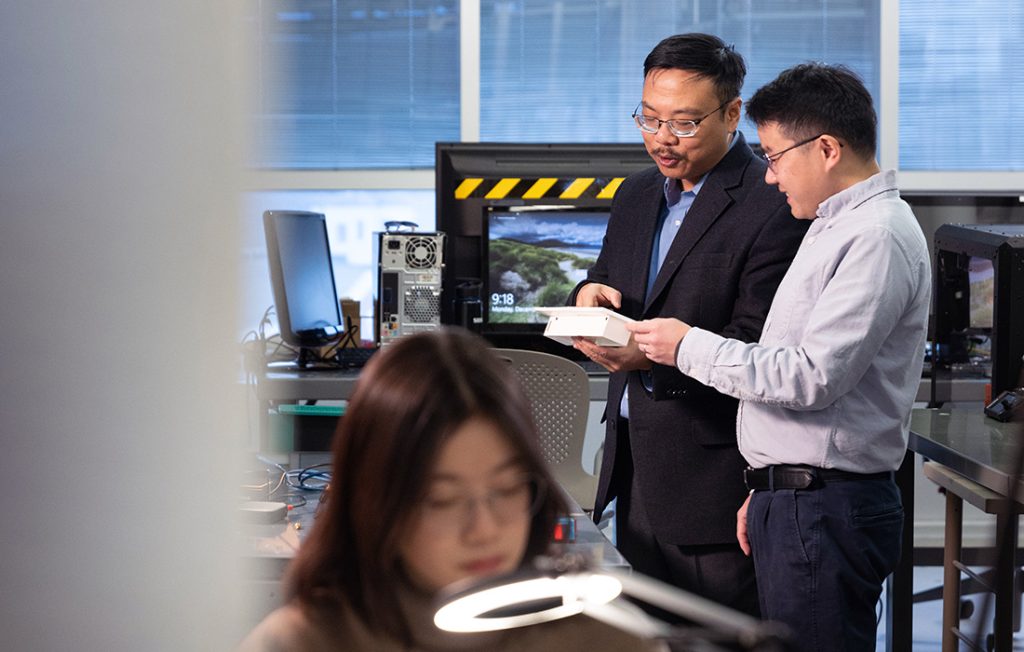
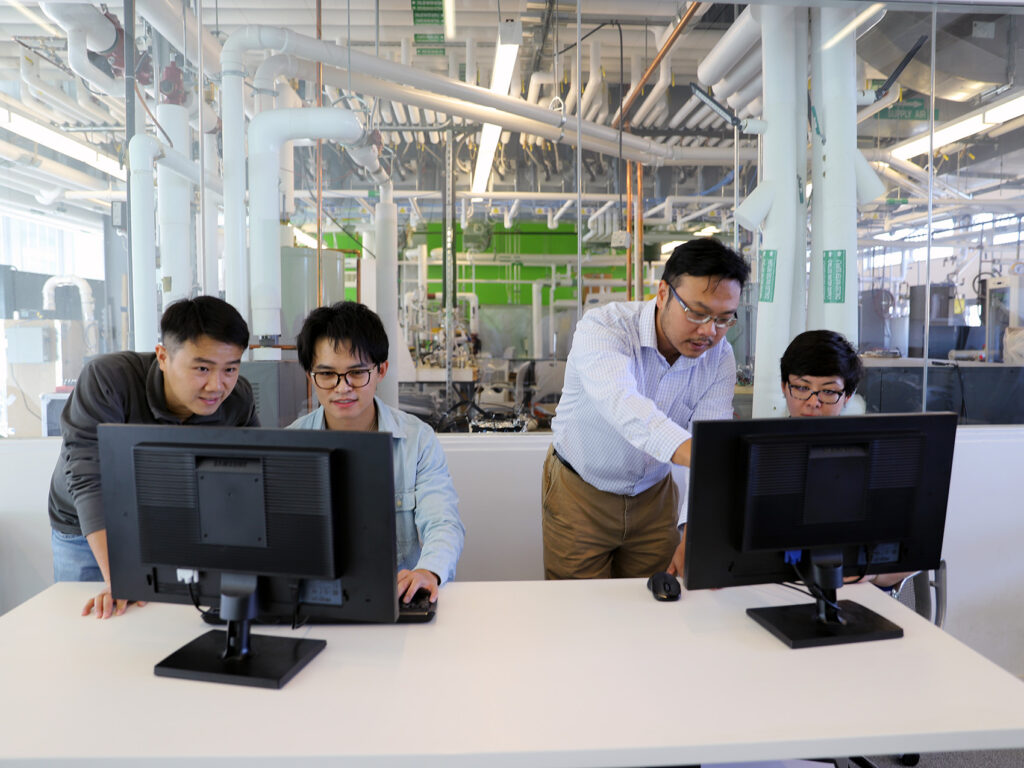
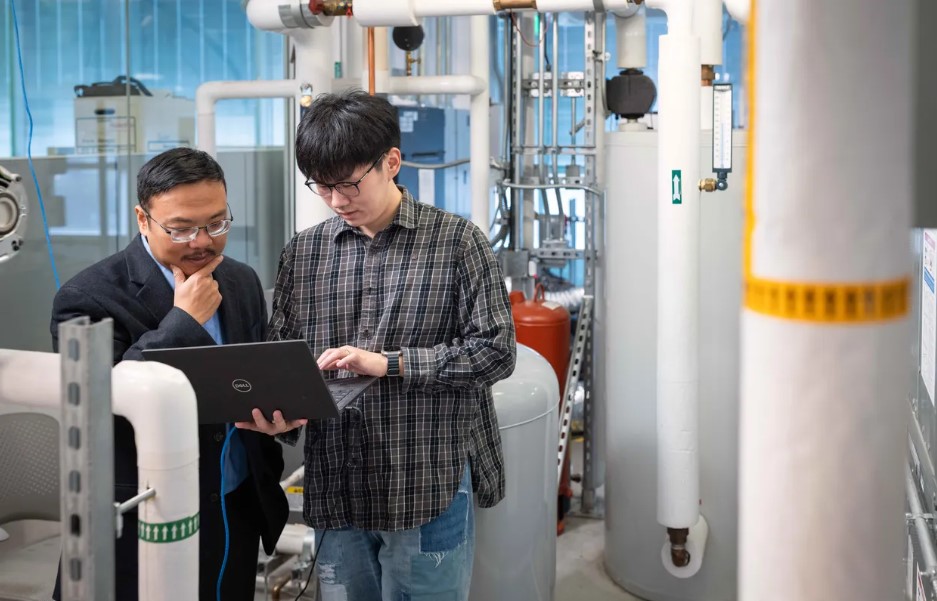
BEST Lab is an interdisciplinary research group within Mechanical & Aerospace Engineering at Syracuse University, directed by Traugott Professor Bing Dong.
We work at the intersection of building energy systems, human behavior, and urban infrastructure — applying physics-informed machine learning, agentic AI, and quantum computing to improve energy efficiency while protecting occupant health and comfort.
Since joining SU in 2019, the lab has secured over $15 million in funding across 20+ projects from DOE, NSF, NYSERDA, ASHRAE, and Honeywell, embedded in the Syracuse Center of Excellence — a 200+ partner ecosystem for energy systems innovation.
Research
Modeling occupant behavior, urban mobility patterns, and human performance to inform community-scale energy planning and resilient urban infrastructure.
Deploying RL, MPC, DDPC, DPC, and agentic AI frameworks for fault detection, predictive control, and autonomous building operation.
Integrating buildings with the power grid through EV charging, PV-battery management, and quantum annealing for real-time control at scale.
Physics-consistent neural networks and modular surrogate models for building dynamics simulation, urban energy optimization, and scalable deployment.
Measuring IAQ, infection risk, thermal comfort, and ventilation — including COVID airborne transmission modeling and smart ERV systems for schools.
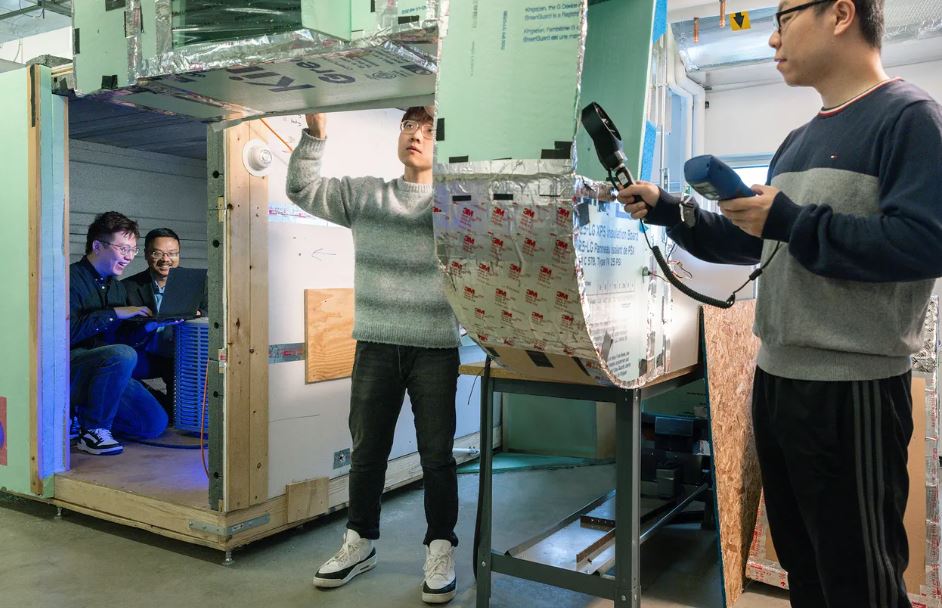
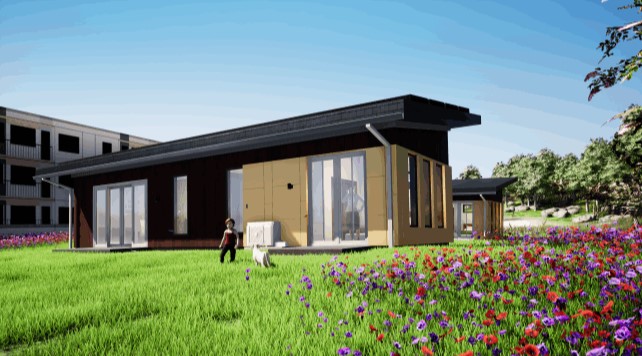
Mycelium-based composite insulation (MycoCore), 3D-printed siding, and human-robot collaborative workflows for large-scale building retrofits.
Latest News
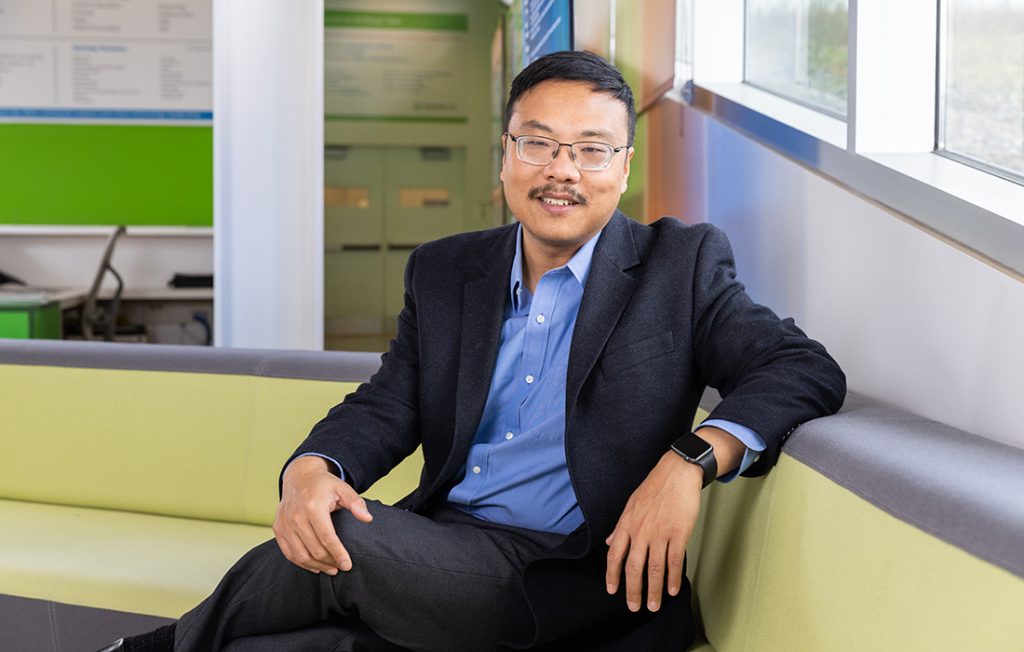
Prof. Dong Named Traugott Professor of MAE
The College of Engineering named Bing Dong to an endowed professorship — recognizing $15M+ in funding and 130+ publications since joining SU in 2019.
NYSERDA Awards $1M+ for AI Building Controls
Funding for occupant-centric, data-driven controls for multiple energy assets — physics-informed ML optimizing HVAC, storage, and EV charging.
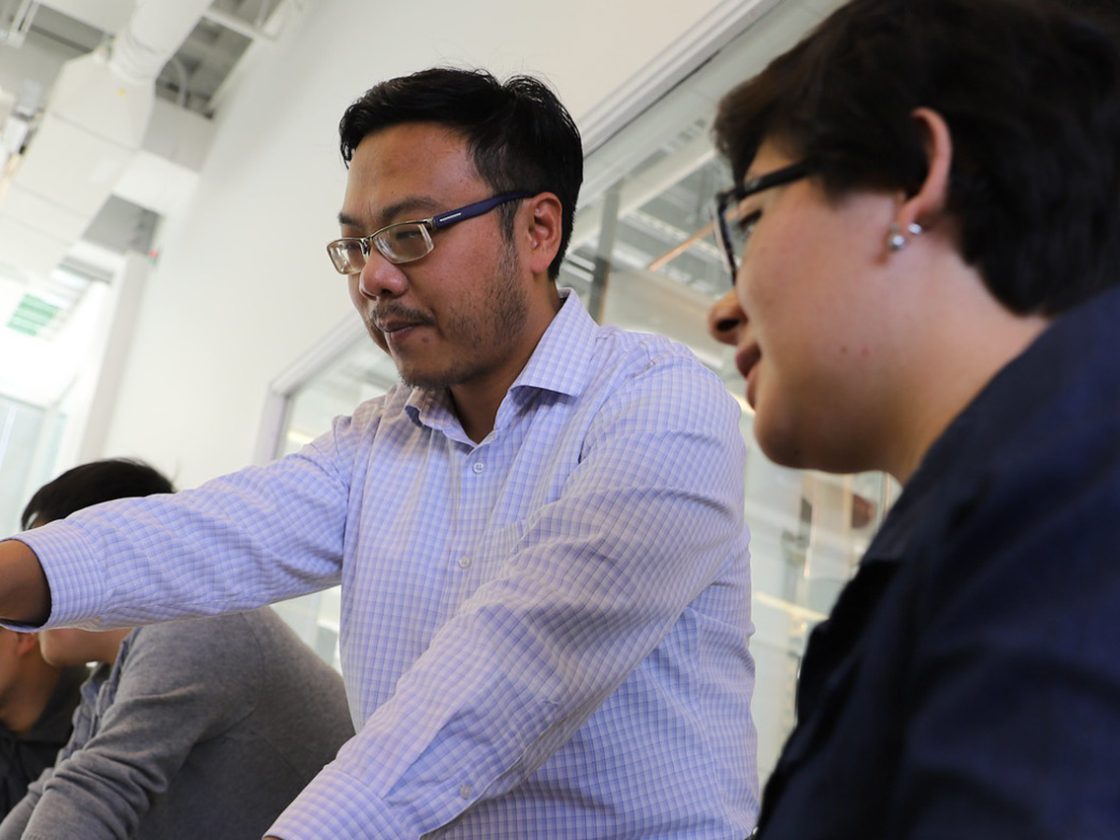
Dr. Dong Inducted as IBPSA World Fellow
SU's first IBPSA World Fellow — one of only two U.S. recipients in the 2023 cohort, recognizing contributions to building performance simulation.
Sponsors
Collaborators